10-Year Treasury Yield Briefly Hits 5%, a 16-Year High
The benchmark rate touched 5% Monday for the first time since 2007, rattling markets ahead of the Federal Reserve's next policy meeting.
The 10-year Treasury yield briefly climbed to 5% on Monday, reaching its highest level since 2007 and underscoring the mounting pressure on borrowing costs across the U.S. economy. The benchmark rate, which directly influences mortgage rates, auto loans, and corporate debt, has surged sharply in recent months as investors reassess how long interest rates will remain elevated.
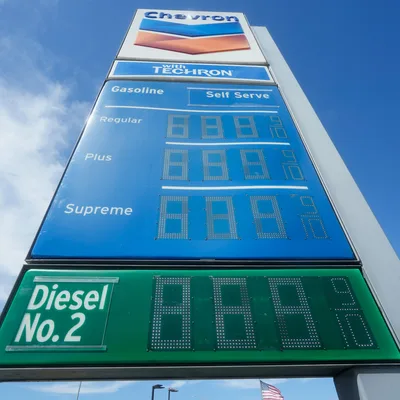
Rising oil prices added to the upward pressure on yields, stoking concerns that inflation could prove more persistent than policymakers had hoped. Higher energy costs tend to feed through to broader consumer prices, complicating the Federal Reserve's effort to bring inflation back toward its 2% target without triggering a recession.
Read more Software Stocks Outpace Chips in Historic AI-Era Milestone →
The move came as traders braced for the Federal Reserve's upcoming policy meeting, where officials are expected to weigh whether additional rate hikes remain necessary. The 10-year yield is widely regarded as a proxy for long-term growth and inflation expectations, and its breach of the psychologically significant 5% threshold signals that markets are pricing in a prolonged period of tighter financial conditions.
The yield's ascent has broad implications for everyday Americans. Mortgage rates, which closely track the 10-year Treasury, have already climbed to multi-decade highs, squeezing housing affordability and cooling demand in a market that had only recently shown signs of stabilizing. Corporate borrowers face similarly elevated financing costs, potentially dampening investment and hiring.
Continue reading at MarketWatch.com