China's Oil Stockpiling Strategy Reshapes Global Energy Power
China's vast petroleum reserves, built through years of strategic imports, are giving Beijing outsized influence over global fuel prices and supply.
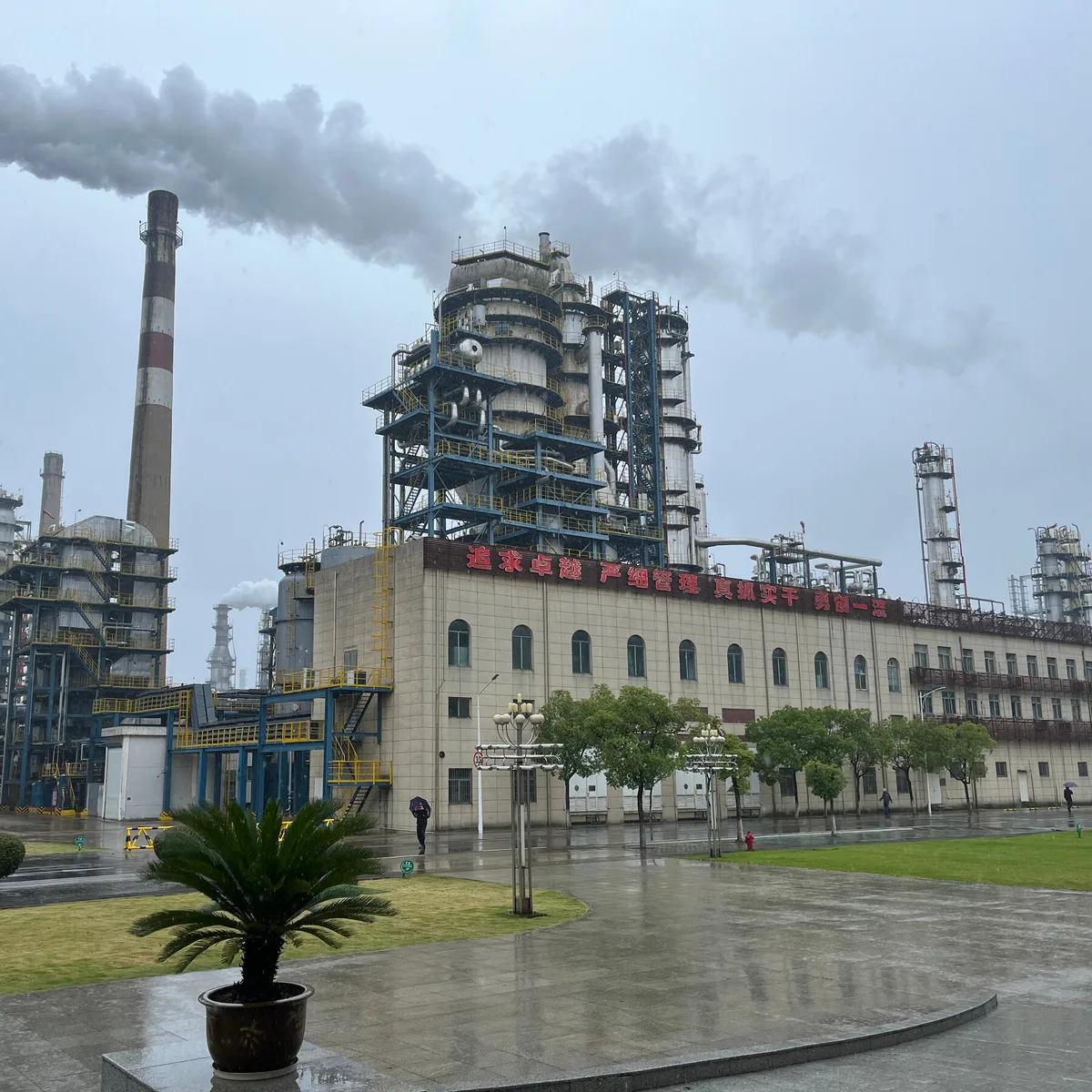
China's position as the world's largest oil importer has quietly translated into a formidable lever of geopolitical and economic power, one that the conflict involving Iran has brought into sharp relief. Beijing's deliberate accumulation of petroleum stockpiles has placed it at the center of global energy dynamics in ways that rival nations and markets are only beginning to reckon with.
The strategic reserves China built up over years of aggressive purchasing now give it the capacity to influence international prices for crude oil as well as refined products including jet fuel, gasoline and diesel. When global supply chains face disruption — as they did amid the Iran conflict — the size and deployment of China's stockpiles can either stabilize or further strain markets depending on Beijing's choices.
Read more 10-Year Treasury Posts Worst Stretch in a Century, Yet Buyers Return →
For energy-importing nations that depend on the same global supply of refined fuels, China's stockpiling behavior introduces a significant variable. A decision by Beijing to withhold or release reserves ripples outward, affecting the availability and cost of fuel across Asia, Europe and beyond. That influence extends well past what most countries had anticipated when assessing China's role in energy markets.
Analysts note that China's leverage is not merely a function of how much oil it holds, but of timing and opacity. Because the full scope of China's strategic petroleum reserves is not publicly disclosed, other market participants are left to estimate Beijing's intentions, adding uncertainty to an already volatile pricing environment. That informational asymmetry itself functions as a form of soft power.
The Iran conflict served as a stress test that exposed just how structurally dependent global energy markets have become on China's import and storage decisions. As geopolitical tensions continue to reshape commodity flows, Beijing's stockpile strategy is likely to remain a defining factor in how energy is priced and distributed worldwide. Continue reading at NYT > Business.