IRS Halts Tax Gap Reporting as Workforce Shrinks Under Trump
The IRS has stopped publishing estimates of unpaid taxes as the Trump administration cuts staff and budget, raising accountability concerns.
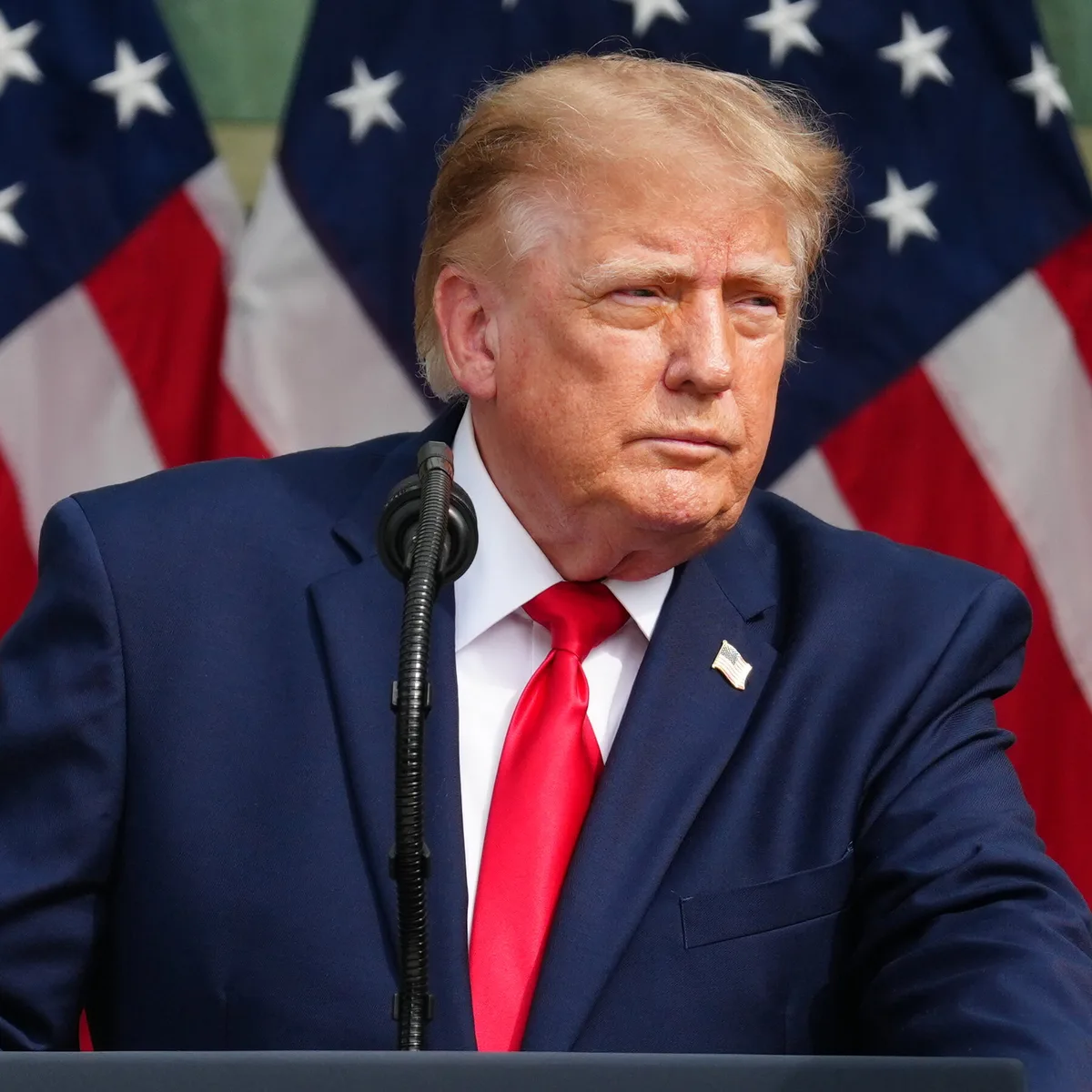
The Internal Revenue Service is withholding its estimate of the so-called tax gap — the difference between taxes owed and taxes actually collected — as the Trump administration carries out sweeping cuts to the agency's staffing and funding, according to reporting by The New York Times.
The administration has reduced the IRS workforce by roughly one quarter, a reduction that watchdog groups and tax policy analysts say directly undermines the agency's capacity to investigate and prosecute tax evasion. Budget cuts have compounded that pressure, limiting the number of audits the agency can conduct each year.
Read more Medicare AI Pilot Draws Fire Over High Claim Denial Rates →
The tax gap figure is a closely watched benchmark that has historically helped Congress and the public understand the scale of noncompliance in the U.S. tax system. Withholding that estimate makes it harder for lawmakers and outside researchers to assess whether enforcement resources are being deployed effectively or whether the shortfall is growing.
Critics argue that reducing IRS capacity while simultaneously declining to publish data on unpaid taxes creates a troubling lack of transparency at a time when federal revenues are under pressure. The administration has not publicly explained the decision to delay or suppress the estimate.
Continue reading at NYT > Business.