Fed Chair Warsh Signals Uncertainty on Future Rate Hikes
Federal Reserve Chairman Kevin Warsh declined to specify how far rates may rise as the central bank continues its inflation fight.
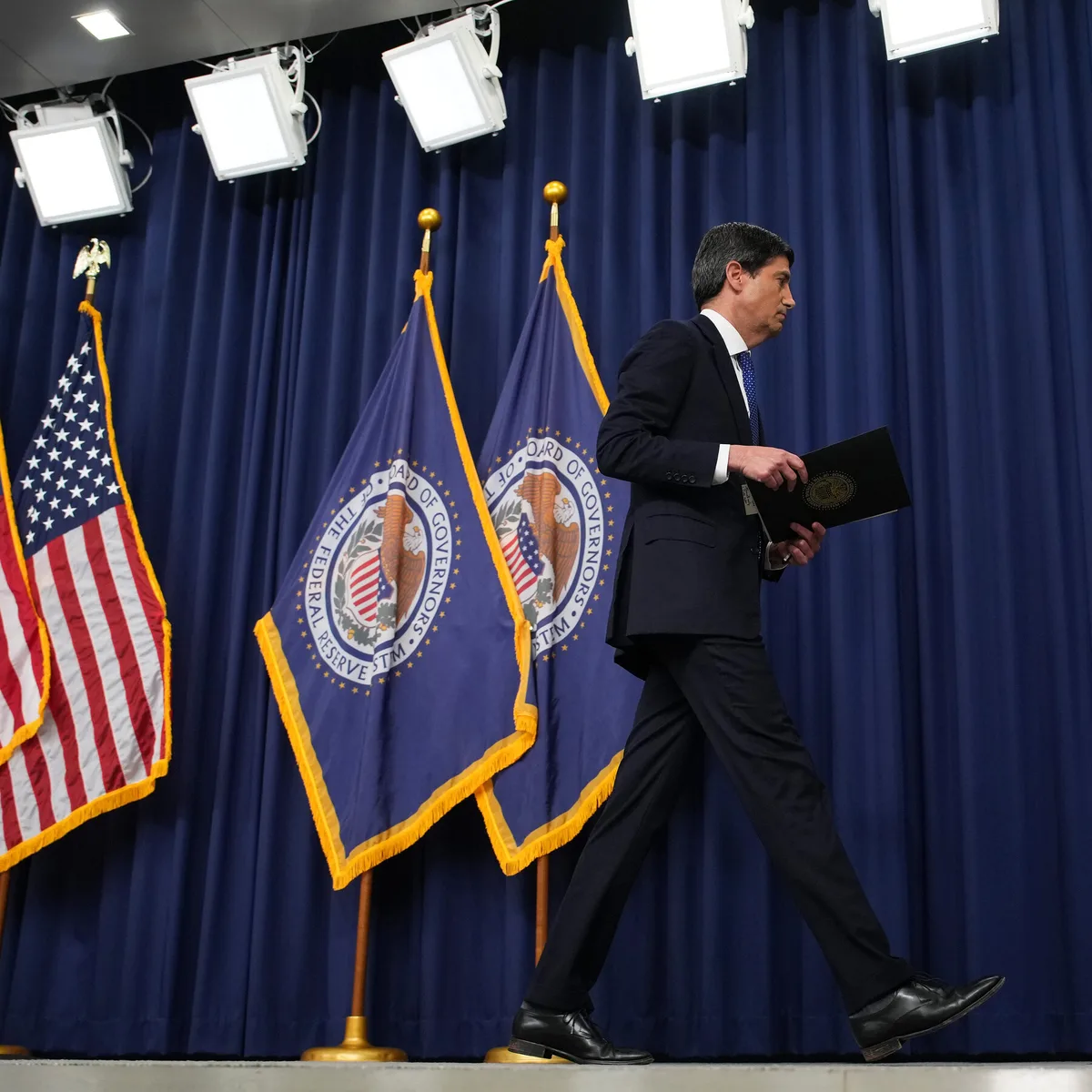
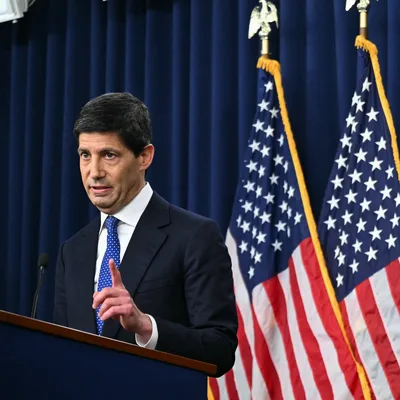
Federal Reserve Chairman Kevin Warsh on Wednesday stopped short of signaling any clear endpoint for the central bank's interest rate increases, leaving markets and borrowers uncertain about the path ahead for monetary policy.
Warsh's remarks reflect the Fed's continued data-dependent posture as policymakers weigh the persistence of inflation against the risk of overtightening an economy already feeling the strain of elevated borrowing costs. The chairman offered no specific guidance on how many additional rate increases might be necessary or at what level rates might plateau.
Read more Global Economy Faces Shrinking Cushion Against New Shocks →
The Fed's rate decisions carry broad consequences for consumers, businesses, and financial markets. Higher rates raise costs on mortgages, auto loans, credit cards, and corporate debt, slowing economic activity in ways that can take months to fully materialize in the data policymakers rely on.
Analysts note that the Fed's deliberately open-ended communication strategy gives the central bank maximum flexibility to respond to incoming economic data — but it also prolongs uncertainty for households and businesses planning budgets and investments. Markets have grown increasingly sensitive to any language suggesting either a pause or an acceleration in the tightening cycle.
Continue reading at NYT > Business.