Why the Fed May Hike Rates Even as Borrowing Costs Climb
High interest rates are straining mortgages and auto loans, yet consumer spending remains resilient, complicating Fed policy.
The Federal Reserve faces a deepening policy dilemma: borrowing costs have already climbed sharply, squeezing household budgets on mortgages and car loans, yet American consumers have refused to pull back their spending in ways that would typically cool an overheated economy.
Conventional monetary theory holds that higher interest rates slow demand by making credit more expensive, ultimately easing inflationary pressure. That transmission mechanism appears to be working unevenly this cycle, with rate-sensitive sectors like housing under clear stress while broader consumer activity holds firm — a disconnect that complicates the central bank's calculus.
Read more Fed Chair Warsh Signals Uncertainty on Future Rate Hikes →
The persistence of consumer spending gives Fed officials reason to consider additional rate increases even as critics warn that cumulative tightening has already gone far enough. Policymakers must weigh the risk of doing too little against the risk of overtightening an economy that is showing mixed signals at best.
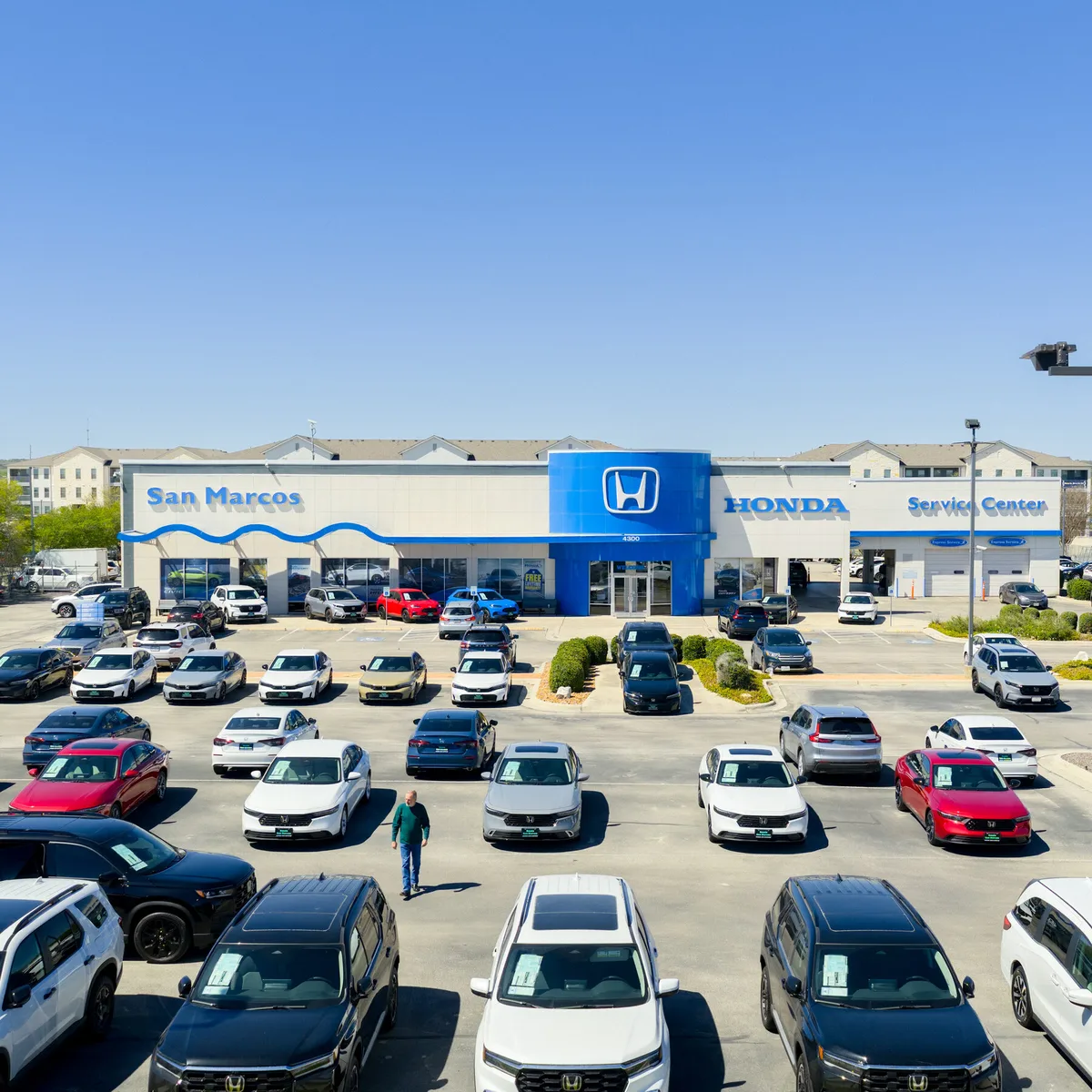
Mortgage rates, which track closely with the Fed's benchmark, have risen substantially, pricing many would-be homebuyers out of the market. Auto loan rates have similarly climbed, adding hundreds of dollars to monthly payments for new-vehicle purchasers. Yet neither development has translated into the broad demand destruction that the Fed's models might predict.
The situation underscores a broader uncertainty about how — and how quickly — monetary policy filters through a modern consumer economy. Markets and analysts will be watching Fed communications closely for any indication of whether another rate move is being seriously contemplated. Continue reading at NYT > Business.