Record Diesel Prices Threaten Markets and Broaden Inflation Risk
Surging diesel costs are rippling through the economy, pressuring stocks and keeping inflation elevated across supply chains.
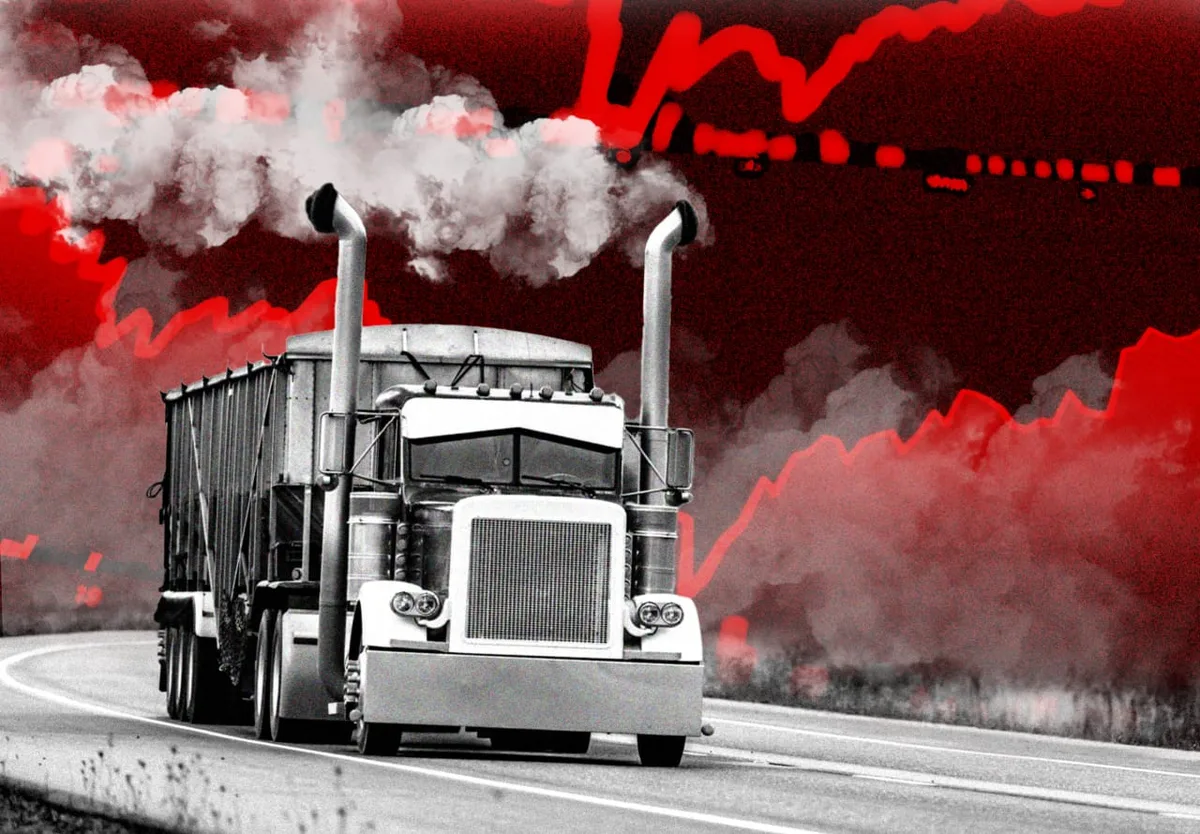
Record diesel prices are emerging as a critical stress point for both financial markets and the broader U.S. economy, compounding inflationary pressures that have already stretched consumers and businesses thin. Unlike gasoline, diesel powers the trucks, trains, and ships that move goods nationwide, meaning elevated prices translate quickly into higher costs across virtually every sector.
The central concern among analysts is that diesel prices may not retreat soon, keeping upward pressure on inflation at a time when the Federal Reserve is already aggressively tightening monetary policy to bring price growth under control. Persistent fuel costs for freight and logistics operators tend to get passed downstream to retailers and, ultimately, consumers.
Read more Fed Chair Warsh Signals Uncertainty on Future Rate Hikes →
Equity markets are particularly exposed to the diesel price shock because transportation, manufacturing, and agriculture — all heavy diesel users — represent significant weight in major indexes. Margin compression in these industries can drag on corporate earnings, a risk that investors are increasingly being forced to price in.
The inflationary feedback loop created by high diesel costs is especially difficult to break. When freight costs rise, suppliers raise prices, retailers follow, and wage pressure can intensify as workers seek to offset higher living costs — each step making it harder for monetary policy to achieve its intended cooling effect on the economy.
Continue reading at MarketWatch.com