Self-Employed Workers Weigh Freedom Against Financial Risk
Laid-off workers are turning to self-employment, finding both opportunity and hardship as they build businesses outside traditional corporate roles.
A growing number of Americans are striking out on their own after corporate layoffs, launching consulting practices and small businesses that offer autonomy but also significant financial uncertainty. The trend reflects a broader shift in how workers are responding to an increasingly volatile labor market, where traditional employment no longer guarantees stability.
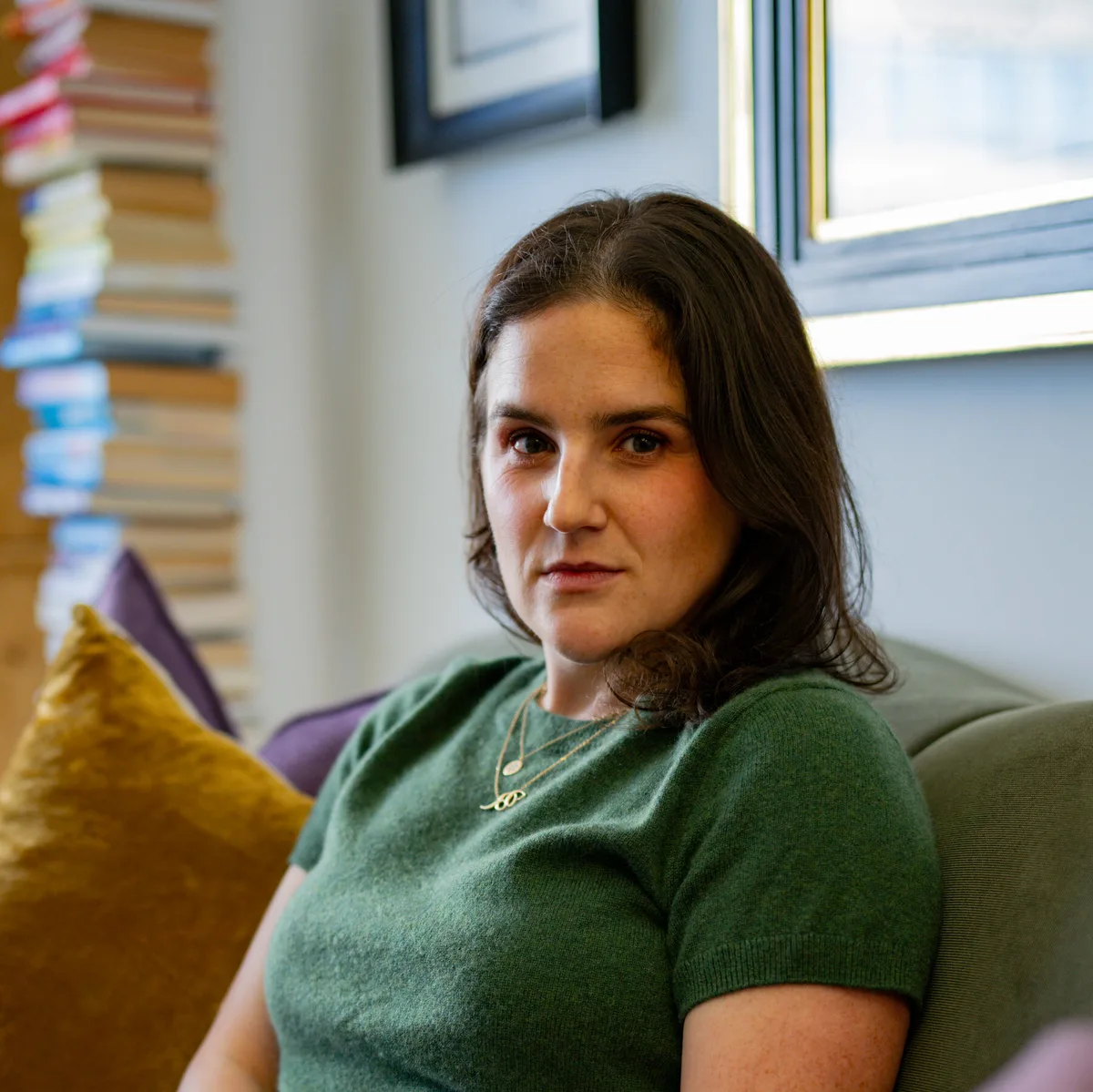
Jodi Innerfield, a Manhattan resident, launched her own consulting business in 2024 following a layoff from a corporate position. Her experience mirrors that of many newly self-employed workers who find the transition both liberating and financially precarious, particularly in the early months when client pipelines are thin and income unpredictable.
Read more 10-Year Treasury Yield Briefly Hits 5%, a 16-Year High →
The rewards of self-employment are well-documented: flexible schedules, the ability to choose clients, and the potential for earnings that exceed a salaried position. Yet the challenges are equally real. Self-employed workers must navigate the absence of employer-sponsored health insurance, no paid leave, and the administrative burden of running a business — from invoicing to quarterly tax payments — that corporate employees rarely encounter.
Economists note that periods of elevated layoffs historically coincide with spikes in new business formation, as displaced workers convert necessity into entrepreneurship. Whether those ventures survive beyond the first two years remains one of the more persistent challenges for the self-employed sector, where cash flow management and client acquisition prove decisive.
For workers considering the leap, financial advisers generally recommend maintaining several months of operating reserves and securing anchor clients before fully exiting traditional employment. Continue reading at NYT > Business.